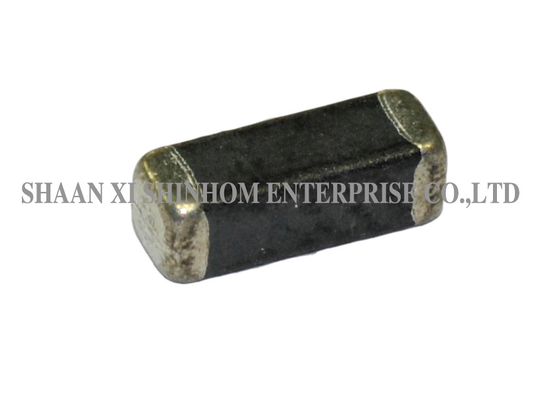
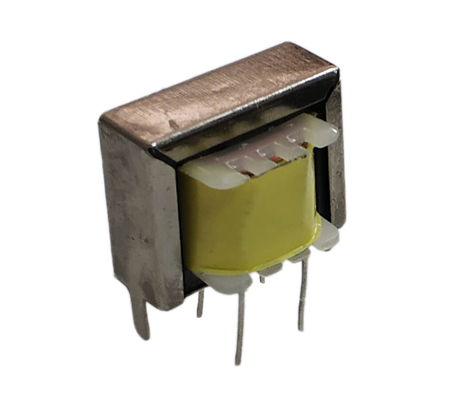
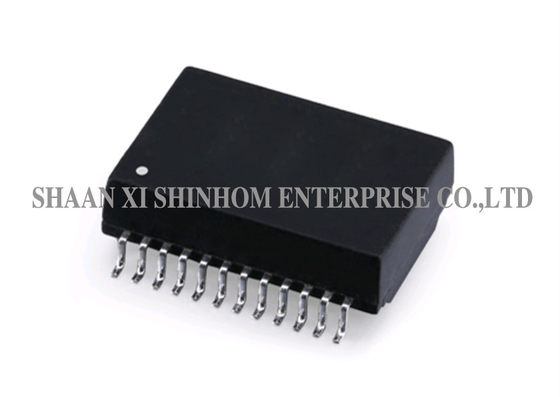
في مصابيح الفلاش، وأنظمة الإشعال عالية الجهد، وتطبيقات طاقة النبض، غالبًا ما يتم تجاهل عنصر صغيرمحول إطلاقلا تعمل بشكل مستمر. بدلاً من ذلك، فإنها توفر نبضة قصيرة الطول عالية الجهد فقط عند الحاجة.استقرار وتكرار هذه النبضات تحدد مباشرة ما إذا كان النظام بأكمله يعمل بشكل موثوق به.
إذا كانت نبضة الزناد غير مستقرة،مصباح فلاش زينونقد تطلق النار في وقت متأخر،مفتاح الجهد العاليقد تفشل في تشغيل، أو كاملشبكة تشكيل النبضاتيمكن أن يستغرق إصلاح هذه المشاكل وقتًا طويلاً، وغالباً ما يعود السبب الجذري إلى محول التشغيل البسيط على ما يبدو.
ما هو المحول و لماذا هو حاسم؟
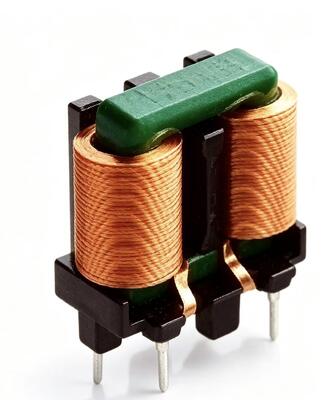
محول الزناد هو، في جوهره، محول نبضات متخصصة مصممة لفترة قصيرة، تشغيل عالية الجهد.إنه يحول مدخل منخفض الجهد (عادة ما يتراوح من عشرات إلى عدة مئات من الفولت) إلى نبض عالي الجهد مع مدة في ترتيب الميكرو ثانية إلى ملي ثانية، مع نطاقات الخروج التي تصل إلى عدة كيلو فولت أو حتى أعلى.
تستخدم هذه النبضات عالية الجهد لبدء التوصيل في أجهزة مثل أنابيب تفريغ الغاز ومصابيح الفلاش ومفاتيح الفراغ (TVS) والثايريستورات ، من بين أمور أخرى.
على عكس محولات الطاقة العاملة بشكل مستمر ، فإن معايير الأداء الرئيسية للمحول المُطلق ليست الكفاءة أو القدرة على التعامل مع الطاقة ، ولكن:
- عدة أجزاء:ما إذا كان كافياً لتفكيك الجهاز المستهدف وتشغيله بشكل موثوق به
- خصائص شكل موجة النبض:بما في ذلك وقت الارتفاع ، وعرض النبض ، ووجود التشوه أو الصوت
- اتساق التكرار:استقرار الإخراج عبر أحداث إطلاق متكررة وما إذا كان اضطراب التوقيت يبقى ضمن حدود مقبولة.
في أنظمة الطاقة النبضية ، ترتبط موثوقية محول الزناد ارتباطًا مباشرًا ما إذا كان يمكن تشغيل الدائرة الرئيسية بأمان وعلى النحو الصحيح.إنه بمثابة عنصر عزل حرج من الجهد العالي إلى المنخفض داخل دائرة تفريغ PFN (شبكة تشكيل النبضات)، وأدائها له تأثير مباشر على سلامة وموثوقية عملية التفريغ الإجمالية.
التحديات والحلول الهندسية الشائعة
نقطة الألم 1: إشعال مصباح فلاش غير مستقر
تحليل المشكلة
إن عدم كفاية نطاق نبض الزناد أو تشويه شكل الموجات يمكن أن يمنع التأين الكامل للغاز داخل مصباح الفلاش. وهذا قد يؤدي إلى فشل الإطلاق، عدم توحيد الإضاءة،أو انحراف توقيت إشارات المزامنة.
اعتبارات الاختيار
يجب إيلاء اهتمام رئيسي لكل من الجهد الخارجي للدائرة المفتوحة وشكل الموجة الخارجي المحمل للمحول.يجب أن تكون حافة ارتفاع النبض حادة بما فيه الكفاية (مستوى أقل من ميكرو ثانية) لضمان التأين السريع والمزامنة للمصابيح.
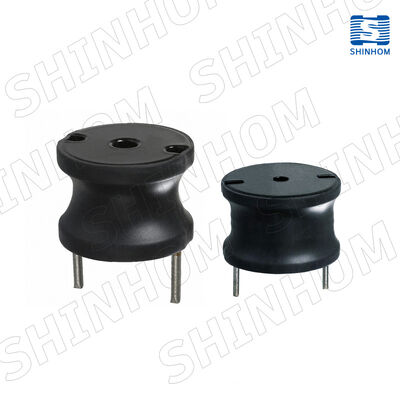
تتبنى سلسلة SHINHOM TCB (TCB1006-502) تصميمًا مغناطيسيًا مضغوطًا مع تقنية تغليف البوتينغ.هذا الهيكل يتيح وجود بصمة صغيرة في حين توفير إنتاج عالية الجهد دون تفريغ الكورونا، مما يجعلها مناسبة لدمجها في وحدات فلاش صغيرة أو أنظمة الإشعال.
نقطة الألم 2: فشل المحرك في أجهزة التبديل عالية الجهد
تحليل المشكلة
إن توصيل مفاتيح الزناد الفراغية (TVS) يعتمد على تكوين البلازما الأولية. إذا كانت نبضة الزناد غير كافية في الطاقة أو الجهد،الفجوة الصغيرة بين مسبار الزناد والكاثود قد تفشل في الانهيارونتيجة لذلك، فإن الفجوة الرئيسية لن تقود، مما يسبب عدم عمل دائرة تفريغ PFN (شبكة تشكيل النبض) بشكل صحيح.
اعتبارات الاختيار
يجب أن يكون محول التشغيل قادرًا على توفير جهد تشغيل كاف (على سبيل المثال ، > 3 كيلو فولت) وكذلك طاقة تشغيل كافية.يجب أن تلبي معايير السلامة ذات الصلة لتجنب إعادة التغذية عالية الجهد إلى دوائر التحكم منخفضة الجهد..
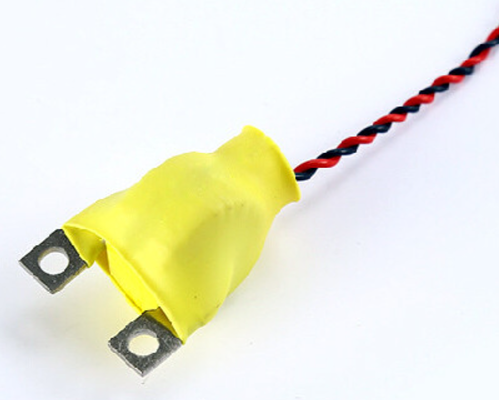
منصة المحولات عالية التردد SHINHOM تدعم تخصيص نسبة الدوران ، درجة العزل ، ومتطلبات طاقة النبض.سلسلة TCB تقدم نسب الدوران المتعددة وتكوينات التعبئة، مما يجعلها مناسبة لمجموعة واسعة من سيناريوهات التشغيل عبر مستويات الجهد المختلفة.
مرجع الاختيار السريع لمحول الزناد
| سيناريو التطبيق |
المتطلبات الرئيسية |
المعايير الرئيسية التي يجب التركيز عليها |
سلسلة شينهوم |
| مصباح فلاش / ستروب |
الجهد العالي، حافة مرتفعة حادة، الحجم المدمج |
الجهد الخارجي للدائرة المفتوحة ، وقت الارتفاع ، الأبعاد الفيزيائية |
سلسلة TCB |
| تشغيل مفتاح الزناد الفراغ |
الجهد العالي للشغيل (> 3 كيلو فولت) ، طاقة كافية (> 1 جين) |
الجهد الخارجي، طاقة النبض، عزل مقاومة الجهد |
محولات عالية التردد حسب الطلب |
| التشغيل التايريستور / SCR |
عرض نبض متطابق وقدرة محرك بوابة كافية |
نسبة الدوران، عرض النبض، تيار محرك البوابة |
محول إطلاق مخصص |
| تكامل PCB المدمج |
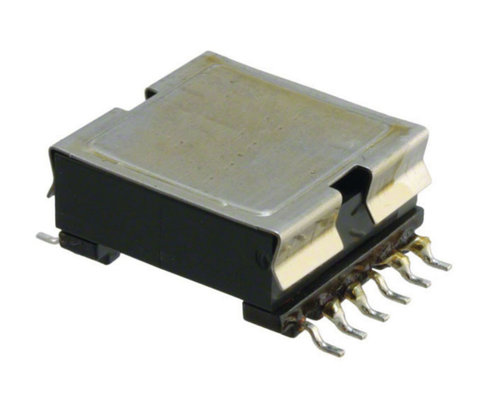
البصمة الصغيرة ، SMD أو حزمة ثقب منخفضة الوضوح |
أبعاد الحزمة وأسلوب التثبيت |
سلسلة TCB، حلول مخصصة |
الاستنتاج
على الرغم منمحولات الزنادعادة ما تكون صغيرة الحجم ، فإنها تلعب دورا حاسما في أنظمة الطاقة النابضة عالية الجهد. يمكن أن يؤدي الاختيار غير السليم إلى إطلاق فشل ، تشويه شكل الموجة ، أو عدم استقرار النظام بشكل عام ،غالبا ما يؤدي إلى صعوبة في حل المشاكل وارتفاع تكاليف التصحيح.
تتضمن محفظة SHINHOM كلاً من محولات التشغيل القياسية من سلسلة TCB وحلول محولات عالية التردد المخصصة ، تغطي مجموعة واسعة من التطبيقات النبضية مثل مصابيح الفلاش ،مفاتيح عالية الجهدو دوائر محرك بوابة التايريستور
لاختيار النموذج الدقيق أو التحقق من صحة شكل موجة النبض ، يوصى بتقديم معايير التطبيق الرئيسية ، بما في ذلك الجهد المدخل ، والجهد الخارجي المطلوب ، وعرض النبض ، ونوع الحمل.هذا يسمح لمطابقة التصميم الدقيقة ويضمن أداء التشغيل الأمثل في النظام المستهدف.

 يجب أن تكون رسالتك بين 20-3000 حرف!